
Subdivision Asphalt Paving in Colorado City TX for Durable Residential Streets and Long-Term Development Success
Subdivision paving in Colorado City, TX is not just about putting down asphalt. It is about building roads that support an entire community for years.
Every residential street, private road, and access lane must handle daily traffic, shifting soil, and West Texas heat without breaking down.
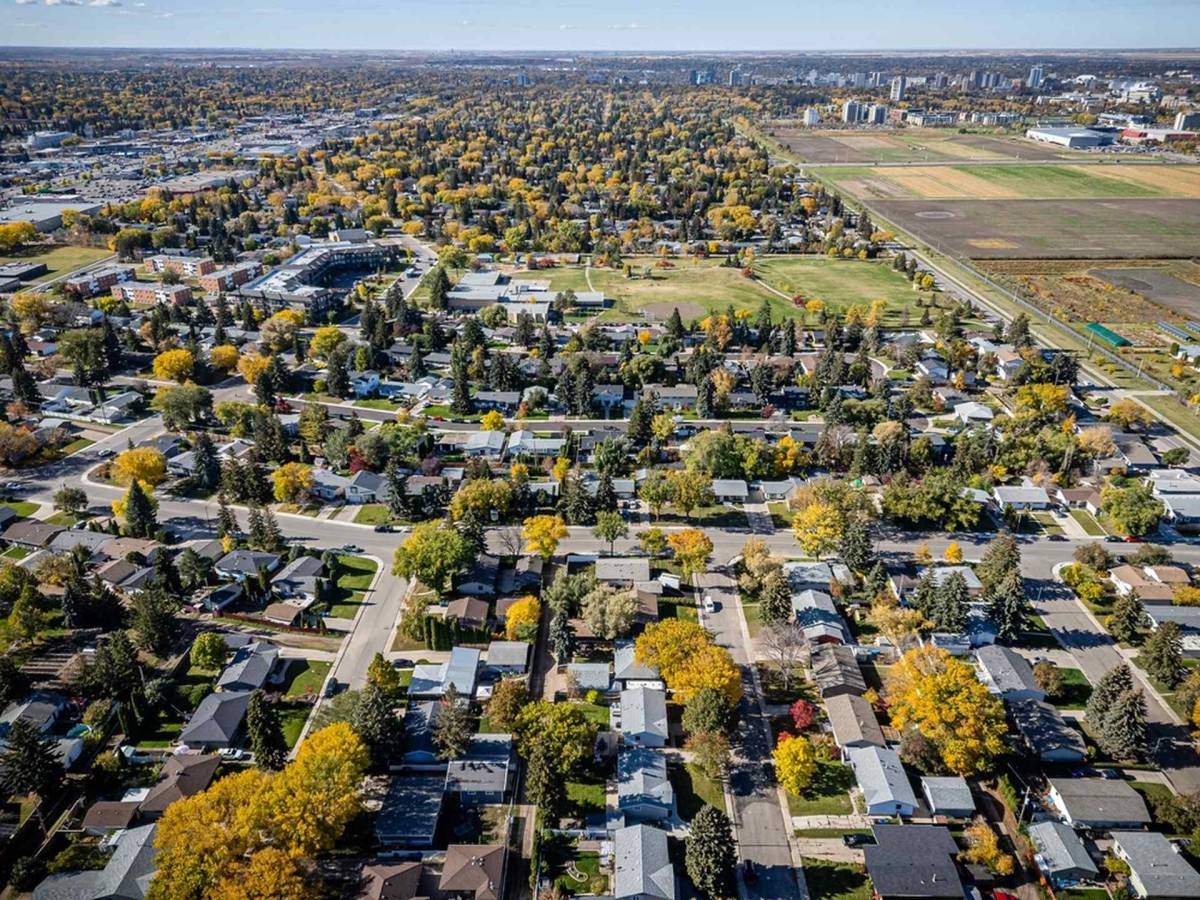
With a population of under 4,000 and a housing base made up largely of single-family homes, subdivision roads in Colorado City carry consistent, repeated use within a compact area. That means the pavement must be built to last.
Danny’s Asphalt Paving provides subdivision paving in Colorado City, TX designed for long-term performance, reliable drainage, and consistent surface quality. If you are developing new lots or improving existing streets, the focus should be on durability—not short-term appearance.
Why Do Subdivision Roads in Colorado City Need a Different Approach?
Subdivision roads are used differently than highways or commercial lots. They experience:
- Daily stop-and-go residential traffic
- Delivery trucks and service vehicles
- Repeated turning movements
- Long-term exposure to heat and sun
In Colorado City, where nearly all residents rely on vehicles for commuting, road surfaces see continuous use throughout the day. This creates steady wear over time. If the road is not built correctly from the start, small issues quickly turn into widespread deterioration.
What Problems Do Developers Face with Subdivision Paving?
Subdivision paving often fails early due to poor planning, not poor materials. Common issues include:
- Asphalt that is too thin for actual traffic
- Weak base preparation
- Poor drainage design
- Uneven grading
- Surface cracking within the first few years
In smaller cities like Colorado City, where infrastructure must serve the same roads repeatedly, these problems become more noticeable faster. Residents use the same streets every day. That means failure shows up quickly.
What Subdivision Paving Services Are Required for Long-Term Results?
Subdivision paving is a multi-step process that must be handled correctly at every stage. Danny’s Asphalt Paving provides:
- Residential street paving
- Private road construction
- Asphalt installation for new developments
- Road resurfacing and overlays
- Base work and grading
- Drainage correction
- Asphalt repairs and maintenance
Each service supports long-term pavement performance—not just initial appearance.
What Results Should Developers and Property Owners Expect?
When subdivision paving is done properly, it delivers:
- Smooth, consistent driving surfaces
- Reduced long-term repair costs
- Improved property value across the development
- Better drainage and fewer water-related issues
- Safer conditions for residents and visitors
In residential areas, pavement quality directly affects how the neighborhood feels and functions. It is one of the first things people notice.
What Paving Options Are Available for Subdivision Projects?
Not every subdivision project requires full reconstruction. Depending on the condition and stage of development, options include:
- New asphalt paving for undeveloped land
- Asphalt overlays for aging streets
- Partial reconstruction for damaged sections
- Preventative maintenance to extend lifespan
Each option should be chosen based on long-term use, not short-term savings.
How Should Developers Evaluate Asphalt Thickness for Subdivision Roads?
One of the most common mistakes in subdivision paving is underestimating asphalt thickness. Subdivision roads must support:
- Repeated daily traffic
- Delivery vehicles
- Service trucks
- Occasional heavier loads
If the asphalt is too thin, it cannot distribute weight properly. This leads to cracking, rutting, and early failure. Proper thickness is not optional. It is one of the biggest factors in how long the road lasts.
Why Does Base Preparation Matter More Than the Surface?
The base is what holds everything together. Without a stable base, asphalt will fail—no matter how smooth it looks on day one. In Colorado City, where soil conditions can shift and expand, base preparation is critical. This includes:
- Proper grading
- Soil compaction
- Sub-base installation
- Load distribution planning
If this step is done correctly, the pavement lasts longer. If not, repairs start early.
How Does Drainage Affect Subdivision Road Performance?
Drainage is one of the most overlooked factors in subdivision paving. Water that sits on or under the pavement leads to cracks, potholes, base failure, and uneven surfaces. Subdivision roads must be designed so water moves away from the surface. Proper drainage includes:
- Correct slope design
- Elimination of low spots
- Controlled water flow paths
In West Texas, even occasional rainfall can cause long-term damage if drainage is ignored.
What Are the Early Warning Signs of Subdivision Pavement Failure?
Developers and property managers should look for:
- Surface cracking forming patterns
- Water pooling after rain
- Uneven pavement or sinking areas
- Rough or worn texture
- Edge breakdown
These signs usually appear before major failure. Addressing them early reduces repair costs significantly.
Why Does Quality Paving Matter More in Residential Developments?
Subdivision roads are long-term assets. Once they are built, they are used daily by residents. Poor paving leads to:
- Constant maintenance issues
- Resident complaints
- Reduced property value
- Higher long-term costs
Quality paving ensures the road performs for years without frequent repairs. This is especially important in smaller communities where infrastructure is heavily relied on.
What Factors Influence Subdivision Paving Costs?
Several factors determine project scope and investment:
- Size of the subdivision
- Soil and base conditions
- Required asphalt thickness
- Drainage needs
- Existing pavement condition
The goal is not to minimize upfront cost—it is to maximize lifespan and performance.
What Does the Subdivision Paving Process Look Like?
A structured process ensures consistent results:
- Site evaluation and planning
- Grading and base preparation
- Asphalt placement
- Compaction and leveling
- Final inspection
Each stage builds on the previous one. Skipping steps leads to early failure.
When Should Subdivision Paving Be Scheduled?
Timing affects results. The best time to pave is:
- Before peak summer heat
- During early signs of wear
- During development phases before heavy use begins
Waiting too long often leads to more extensive repairs. Early planning improves outcomes.
FAQs – Subdivision Paving Colorado City TX
How long do subdivision roads last?
Typically 15–20 years with proper installation and maintenance.
Do all subdivision roads need thick asphalt?
Yes, especially to handle delivery and service traffic.
Can existing subdivision roads be resurfaced?
Yes, if the base is still stable.
What is the biggest cause of failure?
Poor base preparation and drainage.
Is maintenance necessary after paving?
Yes, to extend lifespan and prevent early damage.
Get a Quote for Subdivision Paving in Colorado City TX
Subdivision paving is a long-term investment in your development. The right approach ensures durability, safety, and long-term value.
Danny’s Asphalt Paving provides subdivision paving in Colorado City, TX built for real-world conditions.
Call: +1 432-400-5227
Visit: 12820 TX-191, Midland, TX 79706
Or request a quote online today
Let’s build roads your community can rely on.
Take the First Step to Excellence!
Start Today with Our Expert Paving and Construction Services for Unmatched Results.
Schedule your FREE estimate for an upcoming project or contact us if you have further questions.