
A county fairgrounds outside Big Spring looks fine in April. The gravel overflow lot is graded, the paved sections are swept, and nothing about the asphalt suggests a problem. Then September comes, and for ten straight days that lot absorbs livestock trailers backing in at odd angles, RVs sitting parked in the same spot for a week, food truck generators idling in place, and a parade of pickups pulling in and out well after dark. By the time the fair packs up, there are rutted tire tracks, a soft spot where a trailer’s jack legs sat too long, and cracking along the entry lane that was not there a month earlier. Nobody did anything wrong. The pavement simply took a full year’s worth of wear in a single week, and nothing about routine maintenance schedules prepared it for that.
In this article:
- Why event traffic wears pavement differently than daily use
- The specific damage patterns venues and fairgrounds see most
- Pre-event steps that actually protect the surface
- What to inspect the moment the gates close
- When a repair can wait, and when it can’t
- Planning pavement around next year’s event calendar
Why Event Traffic Wears Pavement Differently Than Daily Use
Asphalt is engineered around expected load and expected repetition. A commercial parking lot is designed for a fairly predictable pattern of cars coming and going throughout the day. Event traffic breaks that pattern entirely. Instead of steady, distributed weight, a stadium or fairgrounds lot absorbs a short burst of extreme concentrated load, RVs and trailers that sit stationary for hours or days at a time, and stop-and-go traffic from thousands of vehicles funneling through the same entry and exit points within a narrow window.
Stationary heavy loads are the part most facility managers underestimate. A moving vehicle distributes its weight across a rolling contact patch, but a parked RV or a trailer with jack stands down concentrates that same weight on a few fixed points for hours or days straight. Asphalt can handle rolling loads reasonably well. It handles sustained point loads far worse, especially on a hot day when the surface is already softer than usual.
The Specific Damage Patterns Venues and Fairgrounds See Most
Anyone who has walked a fairgrounds lot the week after a major event recognizes the same handful of problems showing up again and again. Rutting along the paths where the heaviest vehicles repeatedly turned or idled is usually the most visible, since it physically deforms the surface rather than just cracking it. Localized depressions where a trailer’s stabilizing legs sat in one spot for an extended period are another common pattern, and they are easy to miss during a quick walk-through because they do not look dramatic, they just look slightly uneven.
Edge cracking near gravel or unpaved transition zones tends to show up where paved and unpaved surfaces meet, since the unpaved side offers less support and vehicles crossing that seam repeatedly put stress right on the pavement edge. And entry and exit lanes, which absorb the highest volume of stop-and-go traffic in the shortest time window of the whole event, often develop the earliest surface cracking simply from repeated braking and accelerating in the same tire paths.
Pre-Event Steps That Actually Protect the Surface
The venues that come out of event season with the least damage are almost always the ones that did something before the gates opened, not just after they closed. A few practical steps make a real difference:
- Identify and mark the areas most likely to see stationary heavy loads (RV rows, vendor generator spots, trailer staging) and route them toward the sections of pavement in the best condition
- Address any existing minor cracking before the event, since a small crack under sustained event load becomes a much bigger one
- Confirm drainage is clear ahead of the event, since a lot that cannot shed water fast during a sudden storm compounds every other stress the surface is already under
- Set clear traffic flow patterns with visible striping and signage so vehicles are not repeatedly turning or braking in the exact same spots
As G.W. at Danny’s Asphalt Paving puts it, most venues treat their pavement as something to deal with after an event causes visible damage, when the more effective approach is walking the lot with an eye for where the heaviest, longest-parked loads will sit and reinforcing or route them toward the sections of pavement in the best condition ahead of time. A little planning before the gates open usually costs far less than the repair after.
What to Inspect the Moment the Gates Close
The window right after an event, before the next one is scheduled and before weather has a chance to make things worse, is the best time to assess real damage. A walk-through should specifically look for new rutting or depressions that were not there before the event, fresh cracking along entry and exit lanes, any low spots where water pooled during the event that suggest a developing drainage issue, and stress cracking near the seams between paved and unpaved surfaces.
Photographing and dating these findings matters more than most venue managers realize, especially for municipally owned fairgrounds and stadium lots where next year’s maintenance budget often depends on documented evidence of what a specific event actually did to the pavement, rather than a vague sense that “it needs work.”
When a Repair Can Wait, and When It Can’t
Not every mark left by event traffic needs immediate attention, and knowing the difference saves a facility from spending its maintenance budget reactively every single season. Surface scuffing and minor tire marks with no cracking are cosmetic and can typically wait for a routine maintenance cycle. Shallow rutting without cracking is worth monitoring, but if it does not deepen or spread it can often be addressed at the next scheduled sealcoating rather than as an emergency.
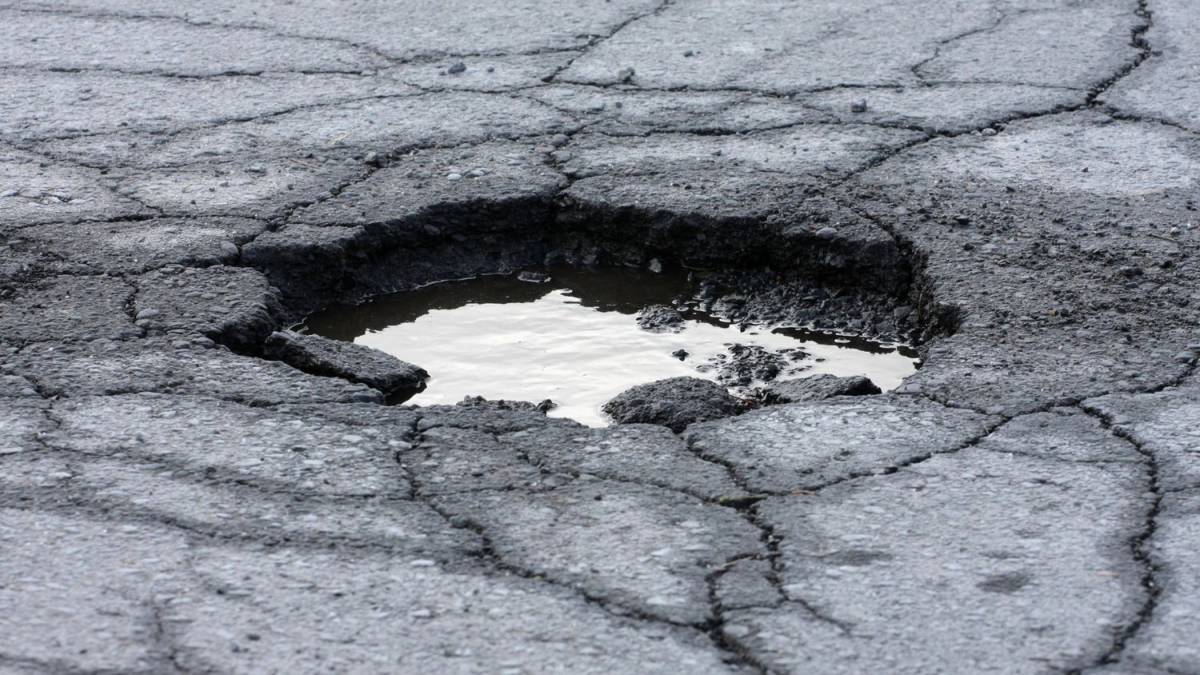
What cannot wait is anything involving active cracking that lets water in, a depression deep enough to hold standing water, or edge failure near a drainage path, because all three of those get measurably worse with every rain event between now and whenever the “someday” repair finally happens. A lot that looked like it could wait in October is often a much larger repair by the time spring events start, simply because winter moisture had months to work into whatever opening the event traffic created.
Planning Pavement Around Next Year’s Event Calendar
The venues and municipalities that manage this best do not treat pavement maintenance as a separate track from event scheduling, they build the two together. Knowing which weeks of the year carry the heaviest, longest-duration traffic makes it possible to schedule sealcoating, crack sealing, or striping refreshes in the calm weeks right before those events, rather than reacting afterward. It also means budgeting for the reality that a fairgrounds or stadium lot ages faster during a handful of high-traffic weeks than a typical commercial lot does over an entire year, which is a very different maintenance rhythm than most facilities plan around.
For municipally managed venues juggling multiple properties and a limited maintenance window each year, working with a paving partner who understands that event-driven wear pattern, rather than treating every lot the same, makes the difference between a fairgrounds that ages gracefully and one that needs a major overhaul every few seasons.
Get Pavement Ready Before the Next Event Hits
Event season does not have to mean a predictable cycle of damage and reactive repair. A pre-event walk-through, smart routing of the heaviest and longest-parked loads, and a repair plan that actually accounts for how differently event traffic stresses pavement compared to daily use can keep a stadium or fairgrounds lot in solid shape year after year.
Danny’s Asphalt Paving has worked with municipal venues, fairgrounds, and large-capacity commercial sites across the Permian Basin for more than three decades, with its own crews, equipment, and asphalt supply through Basin Asphalt, which means an inspection can turn into a scheduled repair fast, without waiting on outside material or subcontracted labor. If a venue’s lot took a beating during the last event season, now is the time to get it assessed before the next one fills the parking lot again.

